

Florida Insurance Got Expensive. The Hurricanes Were Not the Main Reason.
Ask most investors why Florida property insurance climbed so fast and you will hear the same answer: hurricanes. Chris Salameh, who works with build to rent investors at Leland Agency, tells a different story, and he tells it with numbers.
The story behind the premiums
On the Build 2 Rent Network Podcast, Chris describes contractors going door to door with an assignment of benefits form, offering homeowners "a free roof," then suing the insurance company once they had the signature. "If the insurance company could have replaced it for $15,000, that lawsuit comes through for $40 or $50,000," he says, and "if it drags out in court" the insurer can end up paying hundreds of thousands of dollars for what started as a $15,000 repair. Multiply that across thousands of claims, he explains, and "that's where the majority of those rates were coming from. It wasn't necessarily from hurricanes."
Florida's tort reform bill, passed in May 2023, helped stop it. Chris says roughly 150,000 to 175,000 claims and lawsuits were still open afterward, and he puts the cleanup at 18 to 24 months. Now he sees what he calls a soft market: 12 to 14 new carriers have come to the Southeast, they want market share, and rates are starting to come down.
What a low premium can and cannot tell you
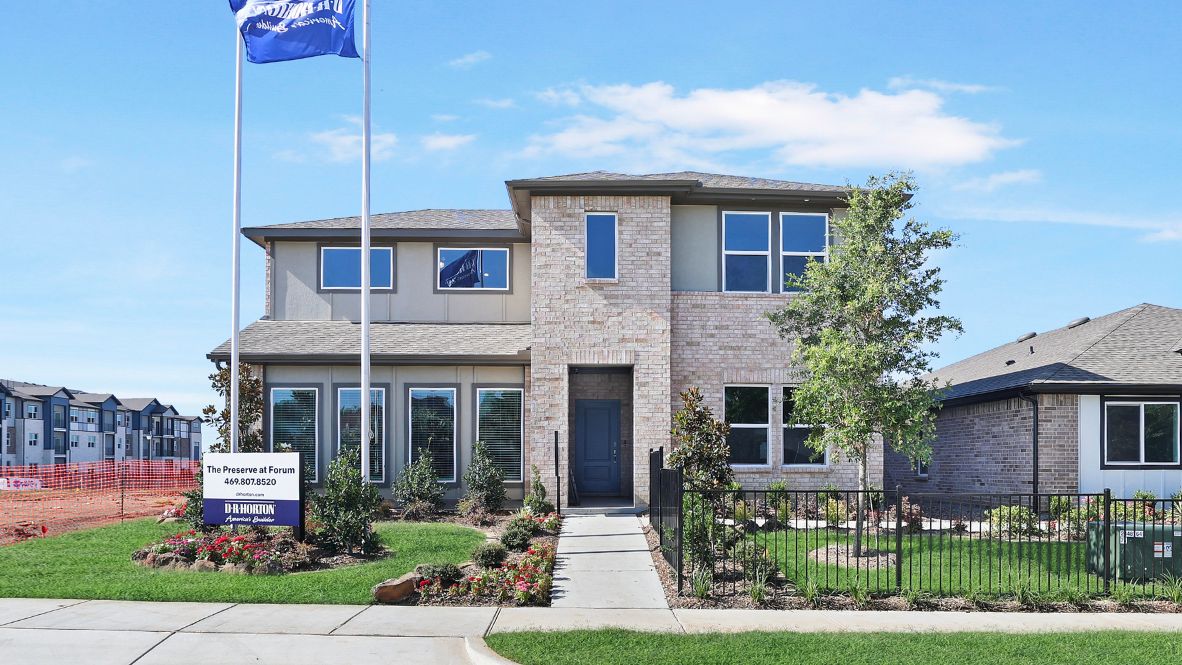
Alvin Taveras walks through a real policy on a Jacksonville quadplex selling for roughly $880,000. The premium is under $1,500 a year, just over $100 a month. Chris adds an important caveat: part of the reason that policy is so cheap is that the HOA carries its own insurance on the exterior of the home. So before you compare that number to your own deal, ask what is and is not covered by an HOA policy.
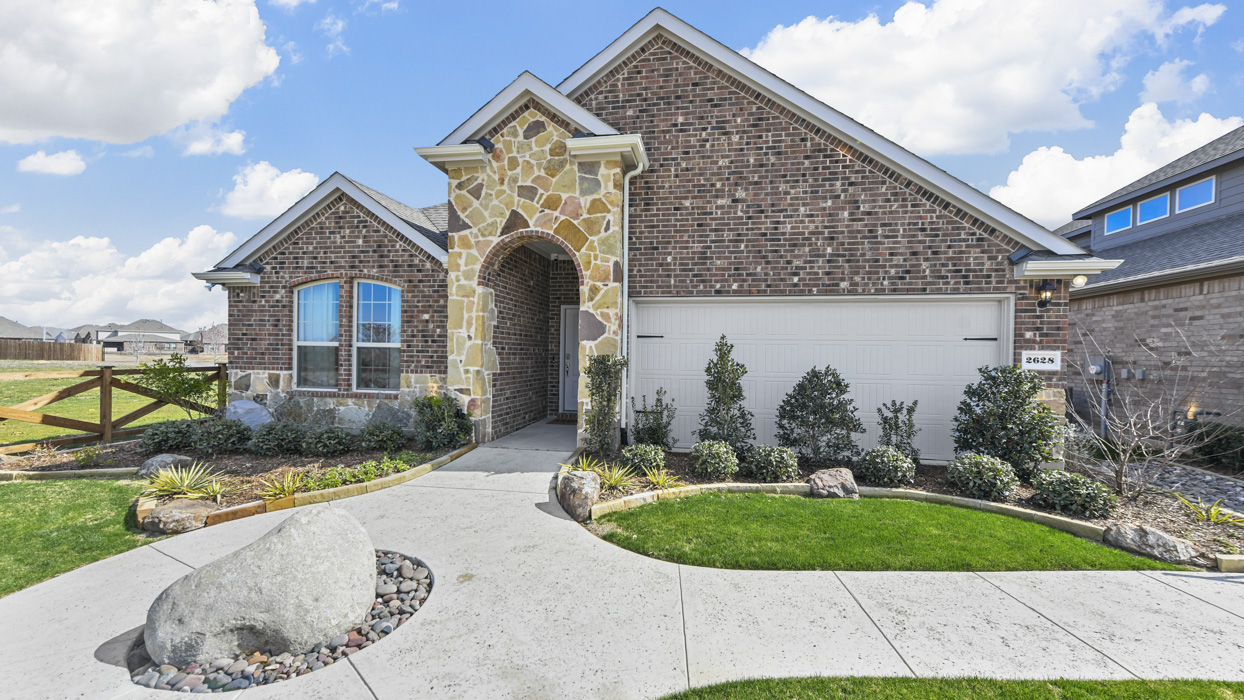
The other reason is new construction. Alvin points out that a new build usually does not need a separate four-point wind mitigation inspection, because it was built to current code, and in this example the discounts add up to almost $5,800. Chris names the concrete block and hip roof as part of the reason: masonry insures for less than frame, and wind "can really get up underneath those gables" in a way it does not with a hip roof. He is careful to add that the difference from block alone is not huge.
Reading your own policy
- Dwelling: the building itself, "whether it be single family, all the way up to a quad."
- Other structures: fences, sheds, detached garages.
- Personal property: the appliances the investor owns, not the tenant. In the quadplex example, $3,000 per unit, $12,000 in total.
- Fair rental value: often 10% of the dwelling amount, to replace rent if a covered claim makes the property uninhabitable.
- Liability: Chris will not strip it out to improve cash flow. Most Florida carriers cap it at $300,000, a few at $500,000, and "if there weren't attorneys in this world there wouldn't be insurance." He keeps it on even when the property sits in an LLC.
Deductibles and staying put
Chris's starting point is a $2,500 all-other-perils deductible with a 2% hurricane deductible, which was $14,400 on the policy in the episode. A separate wind or hail deductible, he says, exists because of the door-knocking roofers, so a damaged roof with no named storm does not fall under the hurricane deductible. His reasoning on $2,500: "we wouldn't want to see any claims being filed for anything under that." And once an investor finds a carrier they trust, he suggests thinking of it as a partner for about 36 months rather than re-shopping every year.
The question to take away
If the story most people tell about your costs turns out to be incomplete, what else in your numbers rests on it? Get a real quote before you go under contract, then run your numbers at Build2Rent.com/Tools.
Watch the full conversation: youtu.be/mvHxYbW7ei4